
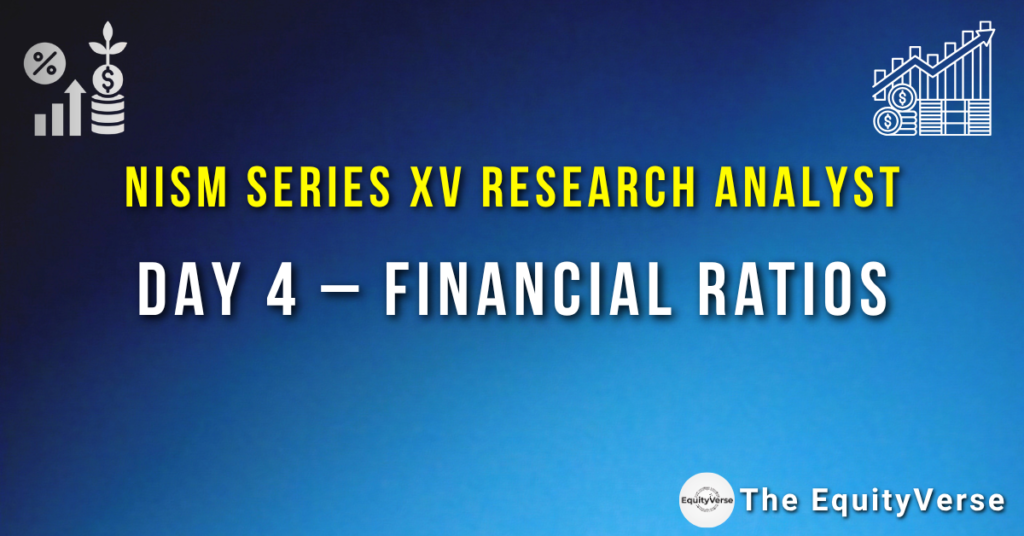
1. ROE
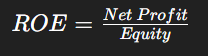
👉 But exam asks:
WHY ROE is high?
3 reasons:
- High profit ✅
- Low equity ⚠️
- High debt ⚠️ (IMPORTANT TRAP)
👉 Trick:
High ROE is not always good
2. P/E Ratio
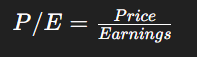
👉 Exam trap:
High P/E can mean:
- Overvalued ❌
- OR High growth expected ✅
👉 So:
Don’t blindly say “high P/E = bad”
3. Debt to Equity
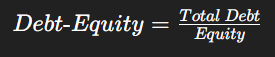
👉 Interpretation:
- 0–1 → safe
- 1–2 → moderate
- +2 → risky
👉 BUT:
Banking companies naturally have high D/E → normal ✅
4. ROCE vs ROE
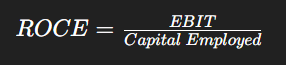
👉 Difference:
| ROE | ROCE |
|---|---|
| Uses Equity | Uses Total Capital |
| Affected by debt | Neutral to debt |
👉 Trick:
If ROE > ROCE → company using debt smartly
If ROCE > ROE → strong core business
Liquidity Ratios
1. Current Ratio

👉 Meaning:
- Ability to pay short-term obligations
✅ Ideal:
- Around 2:1
⚠️ Exam Traps
- Too high (>3) → inefficient use of assets ❌
- Too low (<1) → liquidity problem ❌
2. Quick Ratio

👉 Why remove inventory?
- Inventory may not sell quickly
👉 So:
- Quick ratio = real liquidity
Coverage Ratio
1. Interest Coverage Ratio

👉 Meaning:
- Can company pay interest or not
✅ Interpretation:
- 3 → safe
- <1 → danger ⚠️
Efficiency Ratio
1. Asset Turnover Ratio

👉 Meaning:
- How efficiently assets generate sales
👉 Higher = better 👍
COMBINED ANALYSIS (VERY IMPORTANT)
👉 This is what exam LOVES 💣
🧠 Case 1:
- High ROE
- High Debt/Equit
👉 Meaning:
- Profit is boosted by debt ⚠️
- Risky company
🧠 Case 2:
- Low P/E
- Low growth
👉 Meaning:
- Value trap ❌
🧠 Case 3:
- High Current Ratio
- Low Asset Turnover
👉 Meaning:
- Idle assets ❌
- Inefficiency
🧠 Case 4:
- High ROCE
- Low Debt
👉 Meaning:
- Strong business 💪
⚠️ Common Exam Traps
- High liquidity ≠ always good
- High ROE ≠ always strong company
- Low P/E ≠ always undervalued
- High growth ≠ sustainable
🧠 Quick Revision
- Current ratio → short-term safety
- Quick ratio → real liquidity
- Interest coverage → debt safety
- Asset turnover → efficiency
🎯 Now Try (Exam Level Questions)
Q1. High ROE can be due to:
a) High profit
b) High debt
c) Low equity
d) All of the above
Q2. High P/E always means overvalued:
a) True
b) False
Q3. Which is better for comparing companies?
a) ROE
b) ROCE
c) Both
d) None
Q4. If Current Ratio = 0.8, it means:
a) Strong liquidity
b) Weak liquidity
c) High profit
d) No debt
Q5. Quick ratio is better than current ratio because:
a) It includes inventory
b) It excludes inventory
c) It ignores liabilities
d) It shows profit
Q6. Interest Coverage < 1 means:
a) Safe company
b) Cannot pay interest properly
c) High growth
d) No debt
Q7. High asset turnover indicates:
a) Inefficiency
b) High debt
c) Efficient asset usage
d) Low sales
Q8. High ROE + High Debt means:
a) Safe
b) Risky
c) No profit
d) Low return
Pingback: Citius Transnet InvIT IPO: Steady Cash Flows or High-Risk Entry? - The EquityVerse