

Introduction — Why IPO Analysis Matters More Than Ever
Every few weeks, a new company hits the stock market with flashy ads, celebrity endorsements, and promises of “Next Big Thing” returns.
But here’s the reality, not every IPO (Initial Public Offering) turns out to be a winner, some can be a loser too.
Some give spectacular listing gains, while others crash right after debut.
So what separates a good IPO from a bad one? Proper analysis.
An IPO might look exciting, but behind the flashy brochures and media buzz lies the real question:
Is this company truly worth investing in?
At The EquityVerse, I aim to make finance simple and smart.
So, if you want to know, “How do I analyse an IPO before investing?” — here’s your complete, step-by-step guide and checklist to evaluate any IPO confidently in 2025.


Understand the Business Model
Before looking at numbers, balance sheets, or returns, start with this question:
“What problem does this company solve, and how does it make money?”
If you can’t clearly explain the business in one line, you probably don’t understand it well enough to invest.
🔍 Key Questions:
- What products or services does the company offer?
- Who are its main customers?
- How does it earn revenue — subscription, sales, commissions, or ads?
- Does it have a unique competitive edge or just another copy-paste business model?
📘 Example:
When Zomato launched its IPO in 2021, many investors ignored its losses and focused on its strong brand, user base, and future growth potential in India’s food delivery market.
That’s what made it interesting — a scalable business model with long-term potential.
Pro Tip:
Invest in IPOs of companies that have a clear, sustainable, and growing business model, not ones that are just “riding a trend. Otherwise you might have ti face the burnt, if things goes wrong”
Check the Company’s Financial Performance
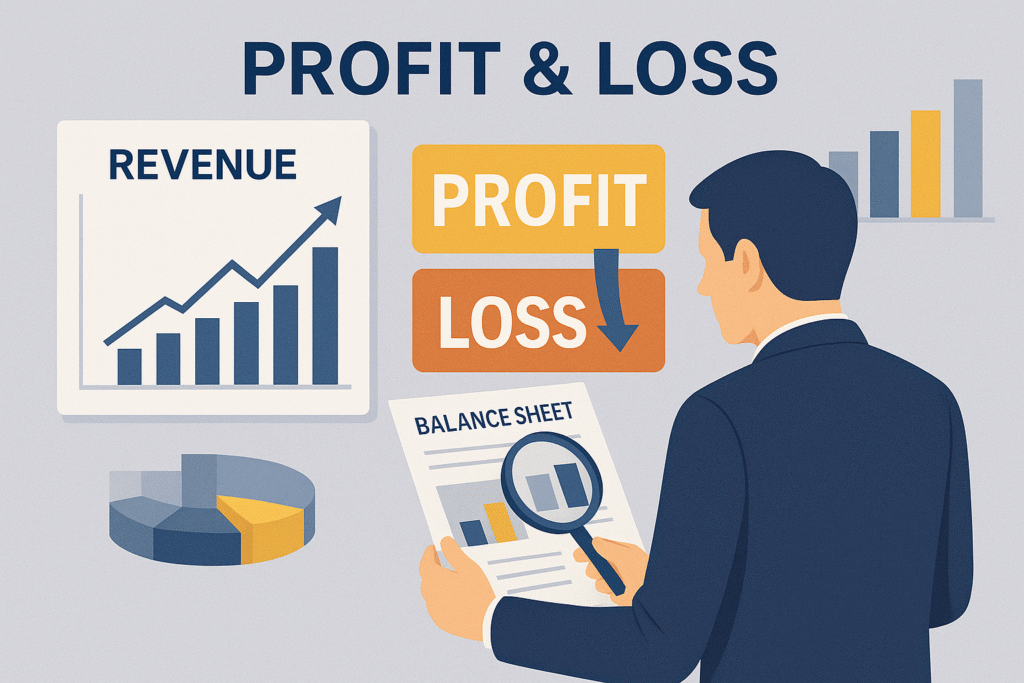
Now here comes the real backbone of IPO analysis — the financials.
- Every company releasing an IPO in India must publish a Draft Red Herring Prospectus (DRHP), which contains 300–400 pages of financial details.
- You can find this on the SEBI website or the stock exchange portal.
What to Analyse:
- Revenue Growth: Are sales growing year-on-year? A consistent upward trend is a green flag.
- Profitability: Is the company profitable, or still in a loss phase?
- Debt-to-Equity Ratio: Too much debt can crush future profits.
- Return on Equity (ROE): Measures how efficiently management uses shareholders’ money.
- Cash Flow: A company with positive cash flow is healthier long term.
📈 Example:
When Tata Technologies announced its IPO, investors noted its solid financial track record and consistent profitability, which built strong trust in the issue.
⚠️ Red Flag:
Beware of companies that suddenly show profits or reduced debt just before launching the IPO — it could be “window dressing.” Always double check what the company is telling you.
Evaluate the Promoters and Management Team
Even the best idea fails with poor management, that’s why analysing the people behind the company is equally important.
What to Look For:
- Experience: Do the promoters have experience in the same industry?
- Track Record: Any past failed ventures or governance issues?
- Shareholding Post-IPO: Are promoters retaining a strong stake (showing confidence) or selling heavily (showing exit intent)?
- Reputation: Research media reports, SEBI orders, or controversies.
📘 Example:
Strong promoter confidence was one reason investors trusted HDFC Life and SBI Cards IPOs — both had solid backing from reputed financial institutions.
Analyse the Industry and Competitive Landscape
A great company in a weak industry can still struggle, so before investing, look at where the company operates and who it competes with.
Questions to Consider:
- Is the industry growing or slowing down?
- What are the barriers to entry for new players?
- How big is the total addressable market (TAM)?
- Is the company a market leader or a small emerging player?
📊 Example:
When Nykaa went public, it was one of the few profitable, brand-driven players in India’s beauty and e-commerce space. That industry momentum worked in its favour.
💡 Tip:
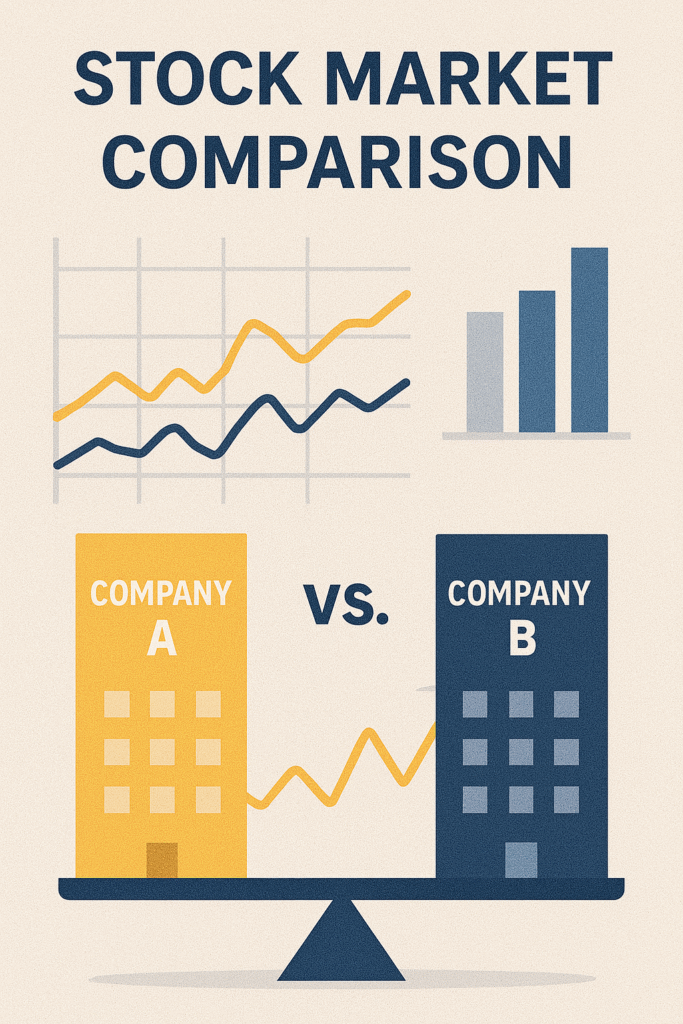
Compare the IPO company’s valuation and market share with listed peers. It’ll give you perspective on whether it’s undervalued or overhyped.
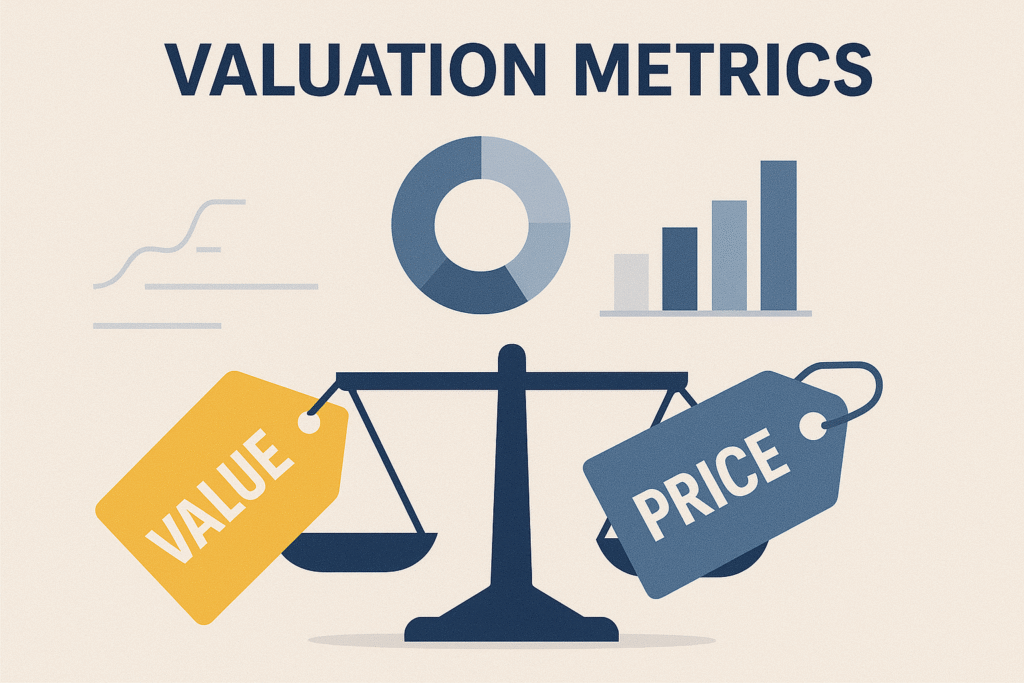
Understand the IPO Valuation
One of the biggest mistakes beginners make is ignoring the valuation, just because a company has hype doesn’t mean it’s fairly priced. Hype doesn’t gaurantee good valuations. (I have personally suffered when I applied for Paytm and I got good loss.)
How to Check Valuation:
- Price-to-Earnings (P/E) Ratio — compare with industry peers.
- Price-to-Book (P/B) Ratio — important for financial companies.
- EV/EBITDA — for capital-intensive sectors like manufacturing or telecom.
- If the IPO is priced significantly higher than competitors without strong justification, it might be risky.
📉 Example:
Paytm’s IPO in 2021 was highly overpriced compared to peers, and it fell sharply post-listing — a perfect example of why valuations matter.
Know Where the IPO Funds Are Being Used
Always check the “Objects of the Issue” section in the DRHP, it tells you exactly what the company plans to do with your money.
Ideal Reasons:
- Expansion of operations or opening new facilities
- Debt repayment
- Research and product innovation
- Acquisitions or partnerships
Risky Reasons:
- Promoters selling their stake
- Internal settlements or working capital adjustments
- If the company isn’t using IPO money to grow or innovate, that’s a red flag.
💡 Pro Tip:
Look for IPOs where funds are being used to expand business capacity or strengthen balance sheet — that’s a sign of genuine growth intent otherwise it is just for selling stake and earning some wealth for promoters.
Read the Risk Factors Carefully
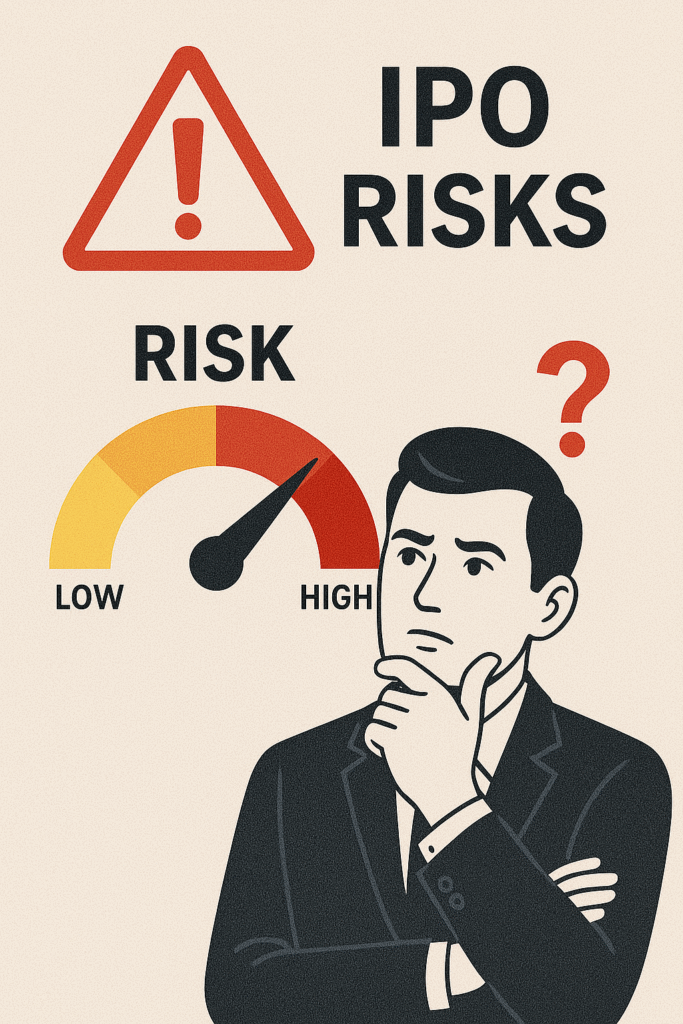
Investors often skip this part, but it’s crucial, The Risk Factors section of the DRHP gives an honest view of what could go wrong.
Common Risks to Watch:
- Heavy dependence on a single product or customer
- Regulatory or government policy changes
- Raw material price fluctuations
- High employee attrition or management turnover
- Global competition or geopolitical exposure
Even the most hyped companies list dozens of risks. Understanding them helps you stay grounded and realistic about future returns.
Check the Grey Market Premium (GMP)
- The Grey Market Premium (GMP) represents the unofficial demand for an IPO before listing.
- If the GMP is high, it means there’s strong market buzz, but it’s not always accurate.
⚠️ Important:
- GMP can fluctuate daily and is driven more by short-term traders than long-term investors.
- Use it only as a sentiment check, not as an investment decision.
📊 Example:
Many IPOs like Syrma SGS and CAMS had moderate GMPs but delivered strong returns later due to solid fundamentals.
Look at Institutional and Anchor Investor Participation
- Institutional investors — like mutual funds, pension funds, and FIIs — do intense due diligence before subscribing to IPOs.
- If the QIB (Qualified Institutional Buyers) portion gets oversubscribed, that’s a positive sign of confidence.
- However, retail investors should still do their own research — don’t rely blindly on “big money.”
Your Goals and Risk Appetite
Finally, step back and align your IPO decision with your personal goals.
Ask yourself:
- Am I investing for listing gains or long-term growth?
- Can I handle short-term volatility?
- Does this IPO fit my investment strategy or just my FOMO?
📘 Example:
A young investor might target high-growth IPOs, while someone nearing retirement may prefer stable, dividend-paying companies.
Pingback: Sudeep Pharma IPO: Overview, Financials, GMP & Key Strengths - The EquityVerse
Pingback: Why Most People Lose Money in the Stock Market — 10 Common Mistakes - The EquityVerse